Bring your own device to be more productive… In a world where getting things done and not forgetting the milk is becoming increasingly important you need to be on your best form to make a difference. More and more businesses are getting their heads around the bring your own device (BYOD) challenge and the onus rests on the individual to pick and choose equipment that suits their needs.
How I started to bring my own device
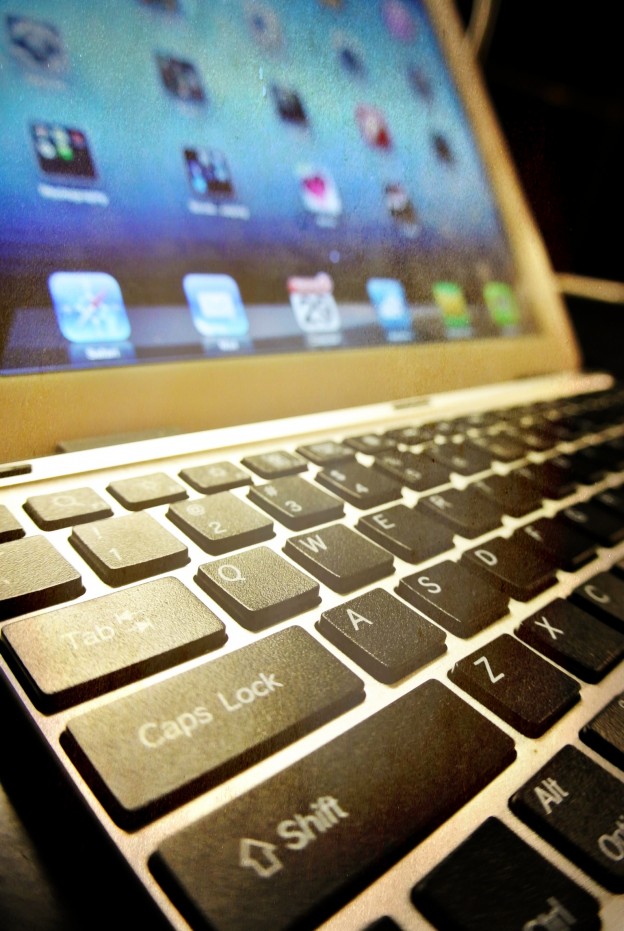
When the iPhone 3G was first released I realised that this was the smart phone I’d always wanted. Having had some disasterous attempts at using an Orange smart phone I knew that the iPhone was the one for me. What I hadn’t bargained for was how important I would find being able to access my calendar and email whilst out and about would be. For some time I carried two phones – a company phone for work calls and iPhone for personal communciation and easy access to email and calendar. This all happened before iPhones became available as company phones… Fast forward a few years and I use an iPhone, iPad and MacBook Air which I have funded.
Why spend your own money?
If you work with IT in any capacity you become acutely aware of how great and frustrating it can be to get things done. Being tied into using Windows devices with all of the limitations imposed by Group Policy may be great for fixed computers but for mobile workers a little more flexibility is required. Whether this is just using different tools to get a task complete or using productivity Apps rather than Applications the choice should be yours if you are productive and demonstrating that you are working flexibly.
For some it is easier to convince yourself to spend £400 on a tablet than get sign off from the manager of a profit & loss account. It’s not the bosses fault that she can’t afford a fleet of tablets this month. Instead it’s an opportunity for you to prove that you will fund your own equipment and are commited to get the job done.
What should you consider when bringing your own
Before you enter into the world of BYOD it is vitally important that you take responsibility for the data stored on your device. Encrypting your hard drive or tablet is strongly recommended. So in the unlikely event of leaving your beloved device on the train the last thing you have to worry about is who is going to be looking at company confidential material. Fortunately if you purchase an iOS device then that is hardware encrypted but you will need to set up a passcode to protect it for being an open door.
Backup of data is the next most important thing to consider about your device. How will it be backed up and restored in the event of failure or loss should be at the forefront of your mind. If you use a portable hard drive or similar to backup then make sure that is encrypted too.
Read and comply with any company poilicy about BYOD. As mentioned at the start businesses are beginning to realise about the power of BYOD and provide infrastructure which will enable you to work on your own device, but you need to comply with any guidance you are given as you do not want to spoil it for everyone.
Final thoughts
Bring your own device is here to stay, allowing companies to leverage the spending power of its workforce and minimise capital expenditure on devices. Picking something that is going to aid productivity can only be good for you in your current and any future role. My advice is to find out where your company stands on BYOD and then experiment with perhaps a phone or tablet before getting further involved.
No Responses